
Survival Guides, Gear Planning & Emergency Preparedness for Everyday People
Stay ready so you do not have to get ready.
WWSWA is a practical preparedness archive built for people who want clear, usable information before an emergency happens. Start with the basics: water, shelter, fire, food, communication, first aid, evacuation planning, and gear you can actually carry and maintain.
A survival resource that puts practical action first.
Emergency preparedness does not have to be extreme, expensive, or complicated. The goal is simple: help you make better decisions when normal routines are interrupted. Whether the situation is a power outage, severe storm, wildfire evacuation, water emergency, vehicle breakdown, or backcountry problem, preparation buys time — and time can make all the difference.
This site focuses on clear steps, realistic gear, and repeatable skills. No panic. No fantasy bunker nonsense. Just useful information you can apply at home, on the road, or in the field.
Four high-priority preparedness guides.
Build your survival plan one skill at a time.
Bug-Out Bags
Build a 72-hour kit that is useful, organized, and realistic to carry.
Water Safety
Learn boiling, filtering, chemical treatment, and emergency storage basics.
Fire & Heat
Understand ignition, fuel, fire safety, and cold-weather heat planning.
Shelter
Use location, insulation, wind protection, and natural materials wisely.
Urban Survival
Prepare for blackouts, supply interruptions, communication loss, and home safety.
Navigation
Use maps, compasses, landmarks, pacing, and route planning with confidence.
The six basics every survival plan should cover.
Recommended survival guides to read first.
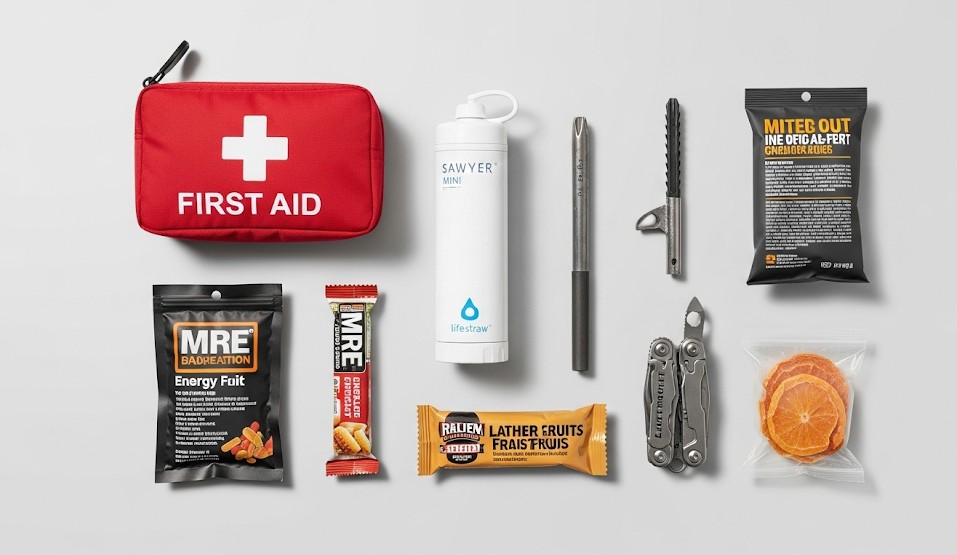 Preparedness & Gear
Top 10 Items for Your First Bug-Out Bag
Assemble a 72-hour kit you can carry, maintain, and use under stress.
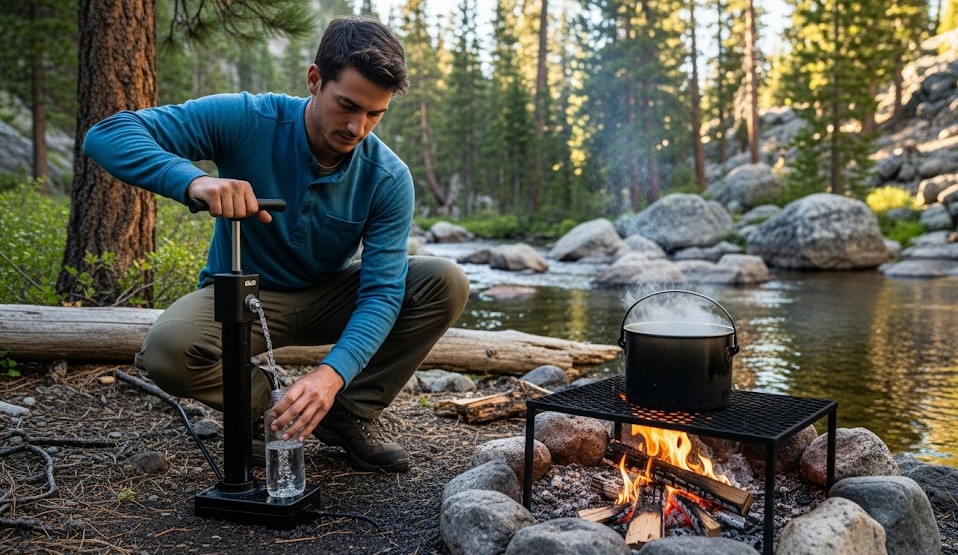 Water Safety
How to Purify Water in the Wild
Choose the right method for boiling, filtering, chemical treatment, or UV purification.
 Wilderness Survival
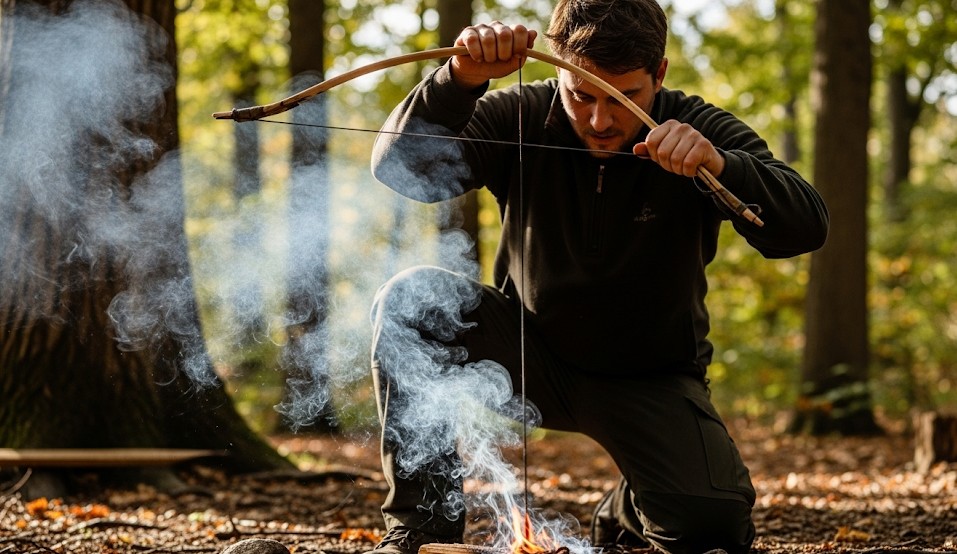
Fire-Making: 5 Methods Without Matches
Learn backup ignition methods for wet, windy, and low-resource situations.
 Wilderness Survival
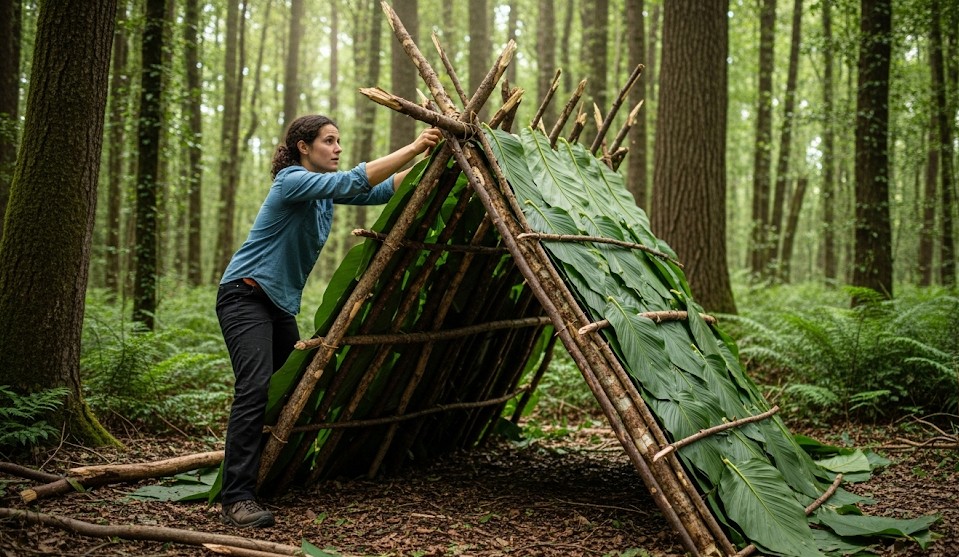
Building a Shelter from Natural Materials
Use site selection, insulation, and wind protection to build safer emergency shelter.
 Urban Survival
Surviving a Blackout: Home Checklist
Prepare lighting, water, communication, food safety, and backup power before the lights go out.
 Disaster-Specific
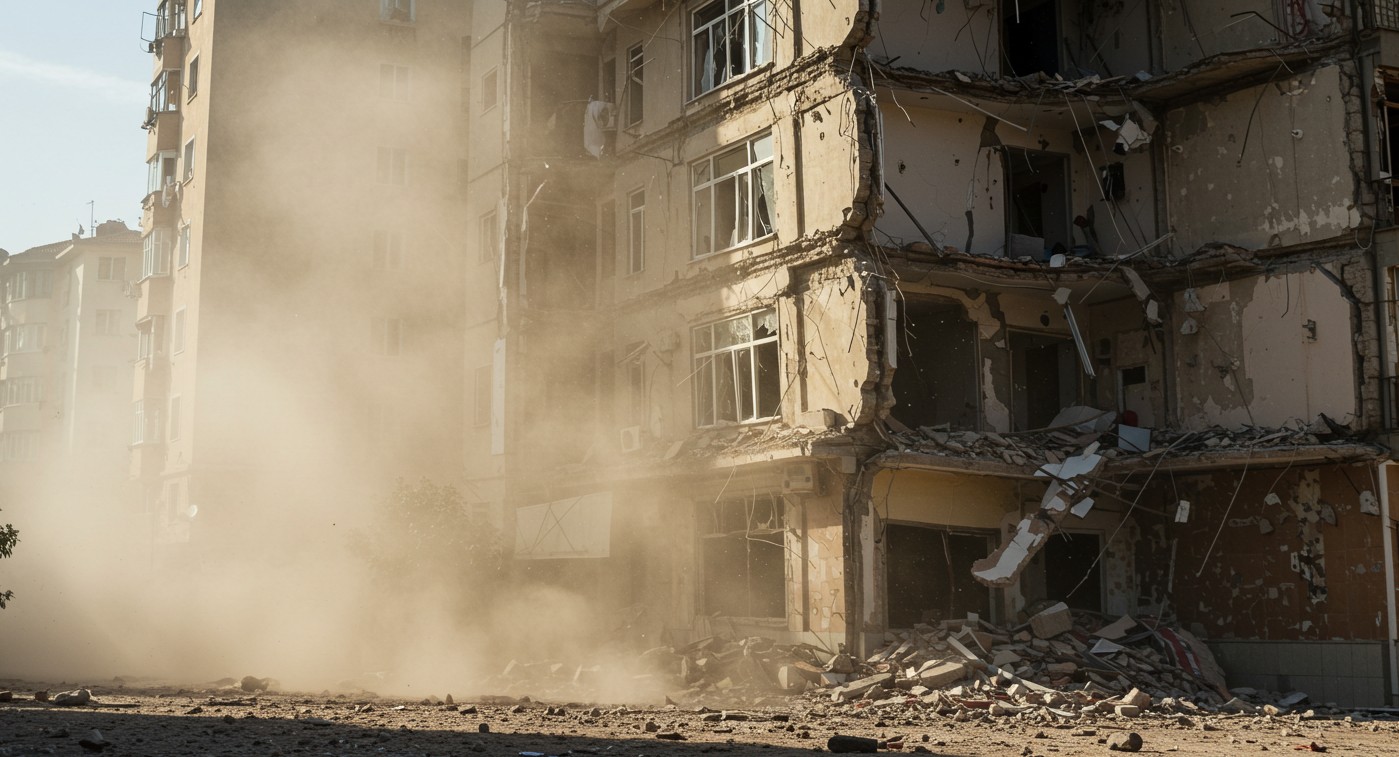
Earthquake Safety Before, During, and After
Prepare your home, protect yourself during shaking, and recover safely afterward.
Preparedness does not start with fear. It starts with a list.
The fastest way to get prepared is to cover the basics first. Do not worry about having every gadget. Focus on the essentials you would need during the first 72 hours of a disruption.
- Store clean drinking water.
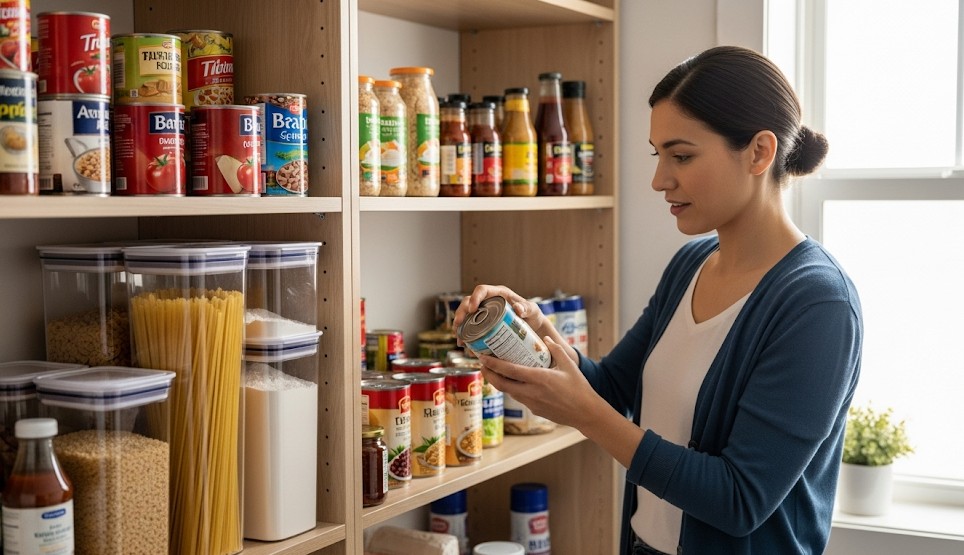
- Keep shelf-stable food available.
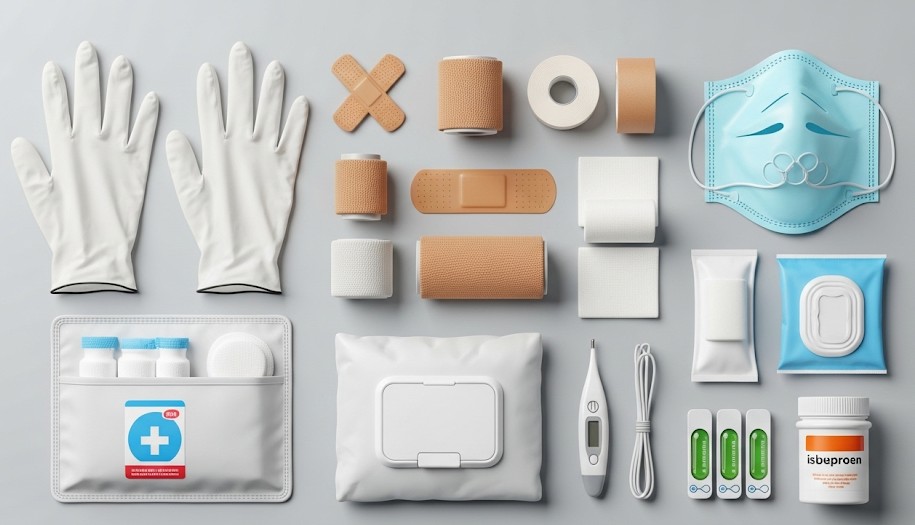
- Build a first aid and medication plan.
- Have flashlights, batteries, and backup charging.
- Know where important documents are located.
- Create a family communication and meeting plan.
Future WWSWA tools and features.
The site is being built as a growing preparedness archive. Future improvements may include interactive checklists, weather alert resources, gear planning tools, printable survival cards, and kid-friendly emergency safety lessons.
Suggest a Guide TopicAdditional preparedness and survival guides.
 Preparedness & Gear
Best Survival Knives Under $100
What to look for in an affordable survival knife before you trust it in the field.
 Urban Survival
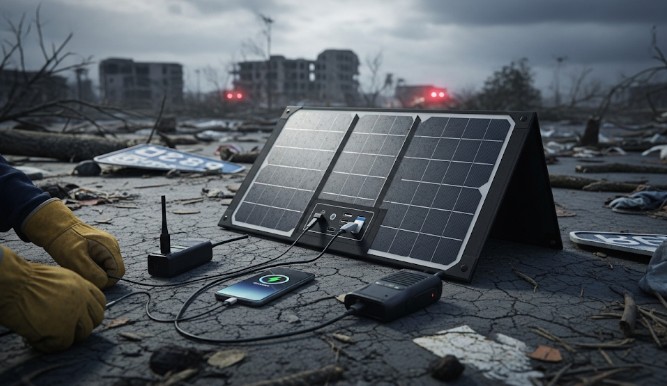
Solar Chargers for Emergency Power
Plan panel, battery bank, and charging setups that work when power is limited.
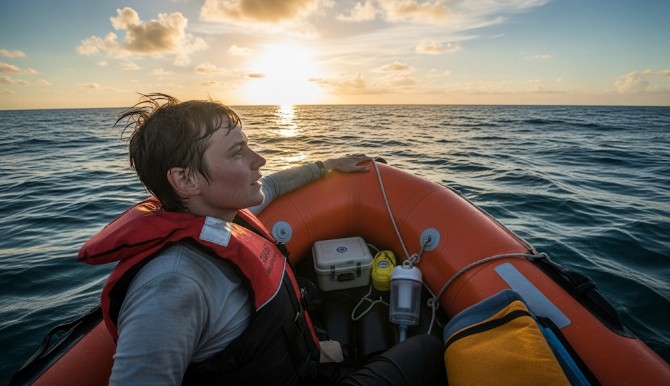 Emergency Response
Lost at Sea: First 24 Hours
A first-day action plan for signaling, flotation, hydration, and staying alive.
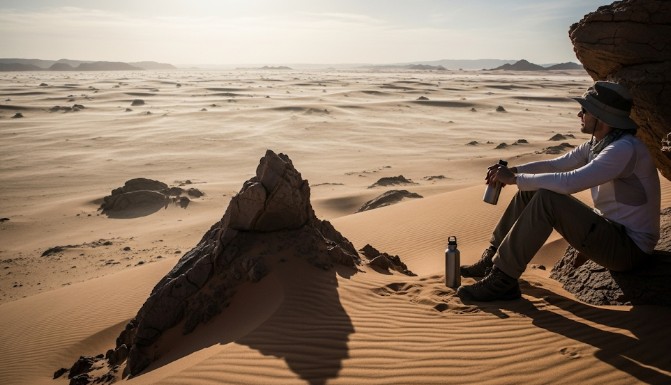 Weather Readiness
Surviving in Extreme Heat
Use hydration, shade, pacing, and cooling methods to reduce heat illness risk.
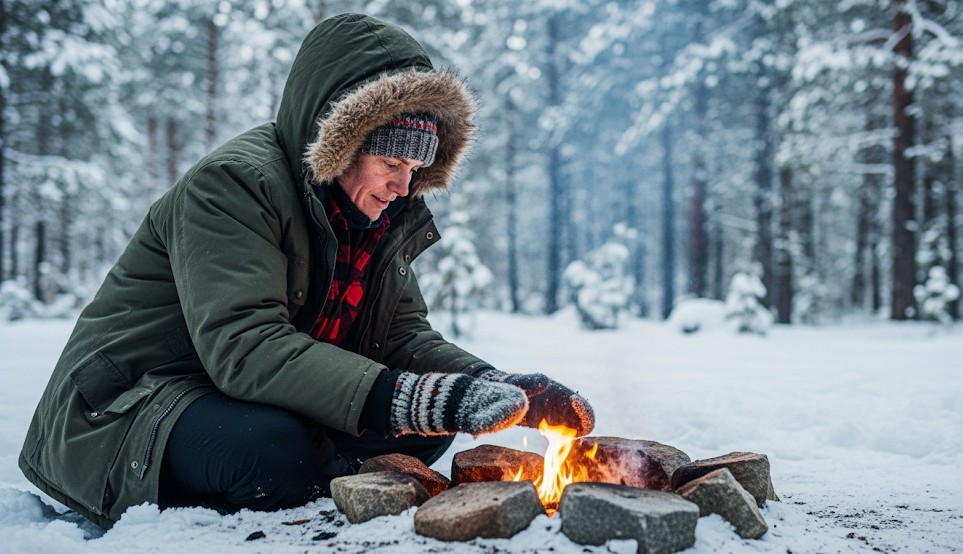 Weather Readiness
Cold Weather Survival Basics
Understand layering, insulation, dry clothing, shelter, and frostbite prevention.
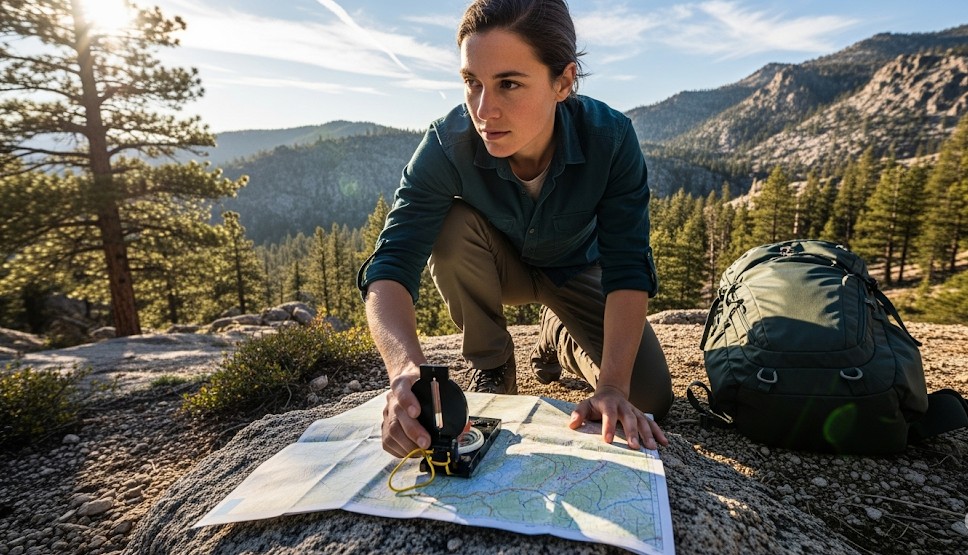 Wilderness Survival
Navigation 101: Map, Compass, Confidence
Build confidence with maps, compass bearings, terrain features, and route planning.
Built for useful decisions, not scare tactics.
WWSWA is designed as a growing educational archive. Articles should be reviewed, improved, and expanded over time so the site becomes more valuable with every update. The best survival information is practical, calm, and easy to act on when stress is high.
Always use judgment, follow local emergency guidance, and seek professional instruction for high-risk skills such as advanced first aid, technical rescue, firearms, severe weather response, and wilderness travel in dangerous conditions.